Get Basement Stairs Installation
Basement stairs installation services help property owners safely upgrade or replace stairs in various renovation or new construction projects.
Basement stairs installation is a practical improvement that can enhance both the safety and accessibility of a property. Property owners in the area often consider this work when planning renovations, finishing a basement, or improving overall home functionality. Whether for everyday convenience or preparing a space for future use, exploring local options helps ensure the right solutions are found to meet specific needs.
Finding experienced service providers in the area can make the process of planning and executing basement stairs installation smoother. By comparing local contractors, property owners can identify professionals who understand the unique requirements of their space and can deliver quality results. Continuing to explore available options can help ensure the project aligns with personal preferences and property goals.
- Basement Staircase Replacement - homeowners may need this work when upgrading or repairing aging or damaged stairs.
- Custom Basement Stair Installation - when creating a new basement space that requires tailored stair solutions.
- Basement Stair Repair - for addressing loose, broken, or unsafe stairs to improve safety and functionality.
- Interior Basement Staircase Renovation - when updating the style or layout of existing stairs to match new basement finishes.
- Basement Staircase Widening or Narrowing - to accommodate changes in basement layout or improve accessibility.
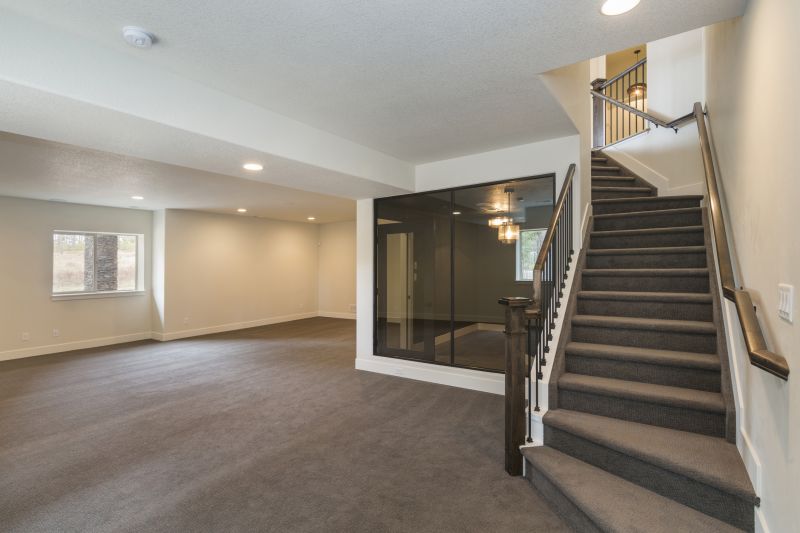


Basement stairs installation involves constructing or replacing the staircase that provides access between the main living areas and the basement. This service typically includes designing the staircase layout, selecting appropriate materials, and ensuring the structure is secure and functional. Whether upgrading an existing staircase or adding a new set, professional contractors focus on creating safe, durable, and accessible stairs that meet the specific needs of a property. Proper installation can enhance the overall safety and usability of the basement, making it easier to access and utilize the space effectively.
Many homeowners seek basement stairs installation to address common problems such as unsafe or deteriorating stairs, limited access, or inefficient layouts. Older staircases might be worn out, unstable, or not up to current safety standards, posing risks of falls or injuries. Additionally, cramped or poorly designed stairs can make basement access inconvenient or difficult, especially for moving large items or for household members with mobility concerns. Professional installation helps solve these issues by replacing or updating stairs to improve safety, accessibility, and overall functionality.
Basement stairs services are often needed in a variety of property types, including single-family homes, duplexes, and multi-unit buildings. Homes with finished basements frequently require custom or semi-custom stairs that fit the space and match the interior design. Commercial properties or rental units with basements may also benefit from professional installation to ensure compliance with safety standards and to provide reliable access. Regardless of the property size or style, experienced service providers can tailor stair designs to suit the specific layout and aesthetic preferences, ensuring a seamless integration with the existing space.
Homeowners considering basement stairs installation should be aware of signs indicating it might be time for an upgrade or new construction. These include visible damage, loose or wobbly steps, difficulty navigating the stairs, or a desire to improve safety and convenience. Installing new stairs can also add value to a property by enhancing its safety features and making the basement more accessible for storage, recreation, or additional living space. Contacting local contractors who specialize in basement stairs can help determine the best approach to meet specific needs and ensure the work is completed to a high standard.
The overview below groups typical Basement Stairs Installation projects into broad ranges so you can see how smaller, mid-sized, and larger jobs often compare in your area.
In many markets, a large share of routine jobs stays in the lower and middle ranges, while only a smaller percentage of projects moves into the highest bands when the work is more complex or site conditions are harder than average.
Smaller Repairs - Minor stair repairs or replacements typically cost between $250 and $600. Many routine jobs fall within this range, covering tasks like replacing individual treads or fixing handrails.
Standard Installation - Installing new basement stairs or replacing existing ones usually ranges from $1,000 to $3,000. Most projects in this category are straightforward and fall into the middle of this range.
Custom or Complex Projects - Larger, more intricate stair installations, such as custom designs or multi-level stairs, can cost between $3,500 and $7,000. Fewer projects reach into this higher tier, which often involves additional materials or structural work.
Full Replacement - Complete basement stair replacements or rebuilding can range from $4,000 to $10,000 or more. These projects are typically more involved and are less common but necessary for extensive renovations or structural issues.
Actual totals will depend on details like access to the work area, the scope of the project, and the materials selected, so use these as general starting points rather than exact figures.
Attic Staircase Installation - this project involves creating access points similar to basement stairs, requiring precise planning, framing, and finishing skills.
Interior Wall Framing and Finishing - installing new interior walls shares planning and carpentry techniques used in constructing basement stair enclosures.
Flooring and Subflooring Installation - laying subfloors and finished flooring involves skills with leveling and material handling relevant to stairway construction.
Basement Wall Framing and Finishing - framing basement walls requires similar structural planning and carpentry expertise as installing staircases.
Custom Railing and Handrail Installation - this work involves precise measurements and safety considerations akin to stair railing setup in basement projects.
Door and Window Framing - installing or modifying openings involves planning and framing techniques comparable to stairway integration in basements.
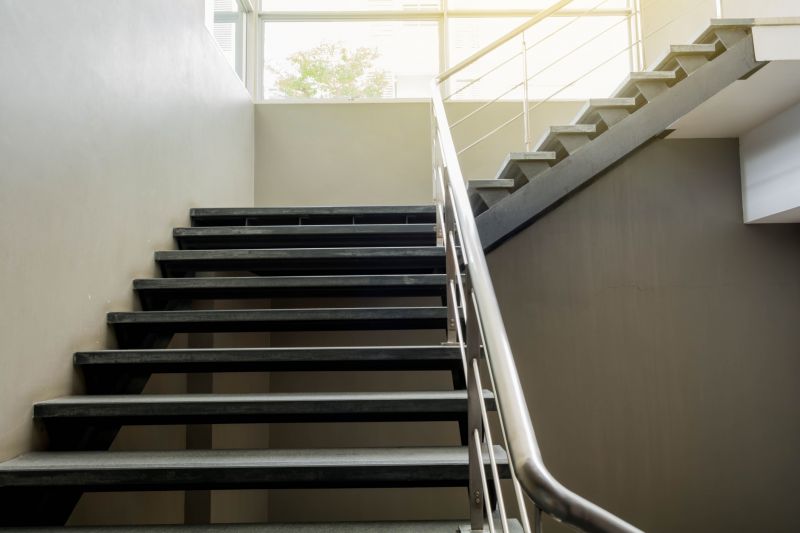
When evaluating contractors for basement stairs installation, it’s important to consider their experience with similar projects. Homeowners should look for service providers who have a proven track record of handling basement stairways, as familiarity with the specific requirements and challenges can lead to better results. Asking for details about past work or examples of completed projects can help gauge a contractor’s expertise and confidence in managing the scope of the job. This background can provide reassurance that the contractor understands the nuances involved in basement stair installation and can deliver a quality outcome.
Clear, written expectations are essential to ensure both parties are aligned on the scope of work, materials, and project details. Homeowners are encouraged to discuss and document the specifics of the project upfront, including the design, measurements, and any special features or considerations. Having this information in writing helps prevent misunderstandings and provides a reference point throughout the project. When comparing service providers, it’s beneficial to seek out those who are transparent about their process and willing to provide detailed descriptions of how they plan to approach the installation.
Reputable references and effective communication are key factors when choosing a contractor. Homeowners should ask for references from previous clients who had similar work done and follow up to learn about their experiences. Good communication throughout the project can help address questions promptly and keep the work on track. Service providers who are responsive, clear in their explanations, and open to discussing project details tend to foster a smoother working relationship. Ultimately, the goal is to connect with local contractors who are known for professionalism, reliability, and the ability to communicate effectively, ensuring the project progresses as expected.
Property owners use Basement Stairs Installation services for practical projects around their homes and businesses. This guide focuses on everyday jobs and straightforward project options.
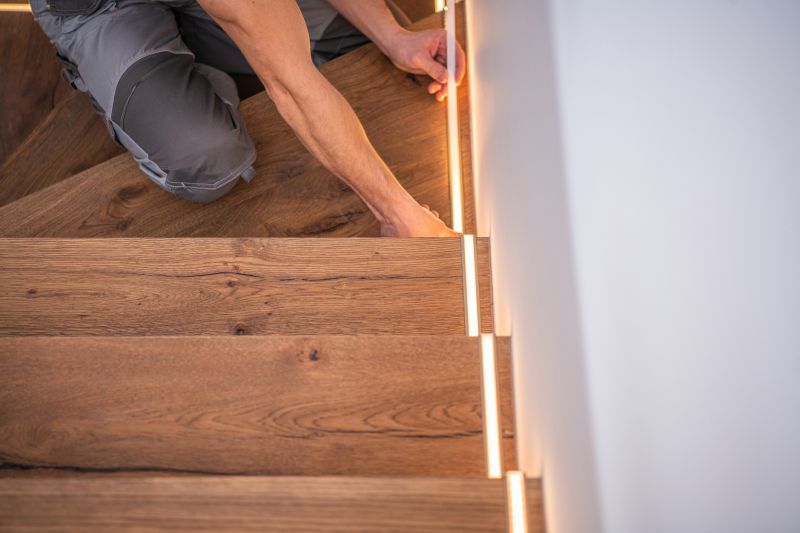
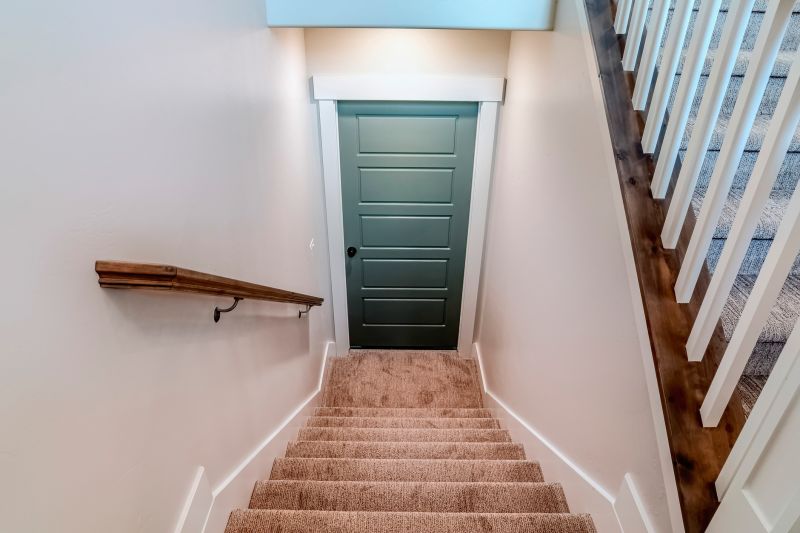
Basement stairs installation is a common project for property owners who are finishing or renovating their basements. Whether adding a new staircase to improve access or replacing an outdated set, local contractors can help ensure the job is done safely and efficiently. Homeowners might seek these services when upgrading their space for additional living areas, creating a more functional layout, or preparing a basement for future use.
In many cases, property owners look for basement stairs installation services to address safety concerns or to meet building standards. Upgrading stairs can also enhance the overall appearance of a basement, making it feel more inviting and cohesive with the rest of the home. Local service providers are available to handle various project situations, from minor repairs to complete staircase replacements.
What types of stairs can local contractors install in a basement? Local contractors can typically install various types of basement stairs, including straight, L-shaped, U-shaped, and spiral designs, depending on the space and project requirements.
How do contractors ensure the safety and stability of basement stairs? Contractors follow building standards and best practices to ensure basement stairs are properly supported, securely anchored, and have appropriate railings for safety.
Can local service providers help with customizing basement stairs? Yes, many local contractors offer customization options such as different materials, finishes, and railing styles to match the basement’s design and homeowner preferences.
What materials are commonly used for basement stairs installation? Common materials include wood, metal, concrete, and composite materials, selected based on durability, style, and the existing basement environment.
Do local pros handle both new installations and stair replacements? Yes, local service providers can assist with installing new basement stairs as well as replacing or upgrading existing stairs to improve safety and appearance.
Basement stairs renovation ideas - Property owners can explore options to update or remodel existing stairs to improve safety and accessibility in their basement.
Adding new basement stairs - Homeowners planning a basement finishing project may need to install new stairs to connect the lower level with the main living space.
Custom staircase designs - Property owners interested in unique or space-saving staircase styles can consult local contractors for tailored solutions.
Safety upgrades for basement stairs - Homeowners can improve the safety features of their basement stairs, such as handrails and non-slip surfaces, with the help of local service providers.
If you are thinking about Basement Stairs Installation for a property, this guide is meant to help you understand the work, the typical project types, and how different options might fit your plans.
When you are ready, you can use the quote form on this page to share a few details about your project. From there, local pros can review the basics and respond with options that match what you have in mind.